Roots in garage
UK garage ran London, all skipping rhythms and vocals chopped into pieces. A handful of producers cared more about the B sides of those records: instrumental versions, darker, built for big speakers rather than the radio.
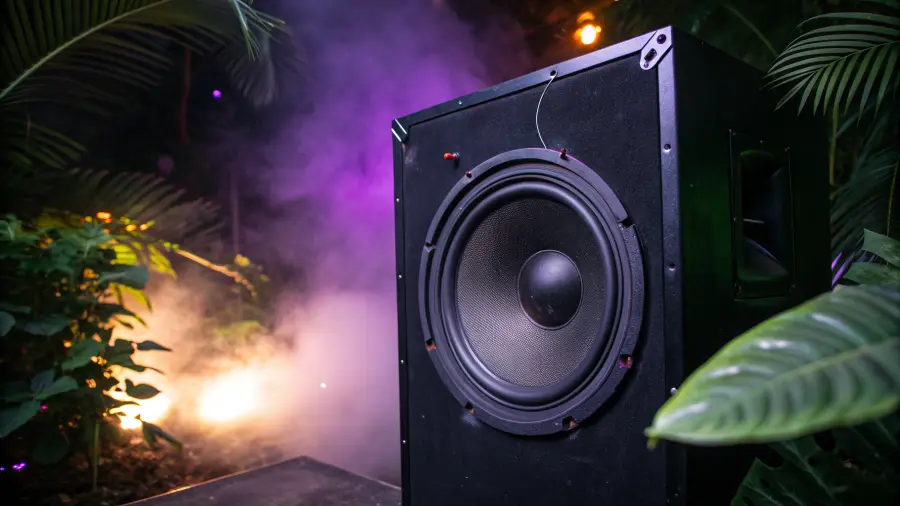
Dubstep is a genre of electronic music born in south London in the early 2000s. It runs at about 140 BPM with half-time drums, so it feels slow even though it is fast, and the lead instrument is the sub-bass, a register so low that an ordinary speaker can barely play it.
We do not know how many times you have already heard dubstep without putting a name to it, but we would bet on more than once. It shows up in trailers, in video games, in every clip where something blows up in slow motion. What almost nobody explains is what separates it from the rest of electronic music.
Dubstep is built backwards from almost everything else: instead of filling a track with sound, it cuts holes in it so a note low enough to land in your stomach can get through before your ears catch up.
The short answer is the drums. The genre runs around 140 beats per minute, which on paper is fast, and it still does not feel rushed: instead of four even hits per bar, it skips half of them and holds the snare until the third beat. A fast tempo with a slow-tempo feel, and a huge gap in the middle of the bar. That gap is where the bass lives.
The long version, with names, clubs and records, is on the history of dubstep page.
UK garage ran London, all skipping rhythms and vocals chopped into pieces. A handful of producers cared more about the B sides of those records: instrumental versions, darker, built for big speakers rather than the radio.
Big Apple Records, a shop in Croydon, became the meeting point for the people cutting those plates, and that is where bass stopped backing the track and turned into its actual subject. The word dubstep shows up around then as a shelf label, a way to file what was neither garage nor jungle.
London parties and labels finish defining the shape: 140 beats, half-time drums, silence used as an instrument and one low note underneath everything. Skream, Benga and Digital Mystikz stay tied to that moment by what they recorded then.
The genre crosses the Atlantic and mutates: distorted low end, aggressive mids, the drop turned into the climax instead of a pause. The press named it brostep. Skrillex is the name the general public ties to that shift, and for a few years dubstep meant that to almost everybody.
Once the commercial wave passed, the part still alive moved to the margins. Tempos that match nothing and structures that never repeat, with sound design closer to a lab than a dance floor. That is what people now call weird bass, and it is half of our night.
Newcomers hit the same wall every time: they hear noise where everyone else hears detail. It comes down to where you put your attention. Five concrete things for the next time somebody plays you a track.
The argument has run for over a decade and usually turns religious. Both branches came off the same trunk and both fill rooms; they just chase different things: the London side bets on space and tension, the American side on force and impact.
Where one branch ends and the other starts is not settled, and fifteen years of forum arguing did not help. Nobody has to pick a side to show up. That said, we have one: here the weight sits with the dark, the spacious and the stuff that has no name yet. When half the poll asks for dubstep and another slice asks for things with no category, the lineup leans that way. Where that number comes from is at dubstep in Costa Rica.
High frequencies tire fast. Air eats them over distance, and so do leaves, tree trunks and humidity. Low ones do not quit: they keep going, bend around corners and pass through whatever stands in front of them. That is why half a block from a party you hear the bass and nothing else.
Outdoors that works in your favor. Thirty meters from the stage, sitting in front of your tent, you still get the part of the track your body reads while the highs stay up front. The night changes depending on where you stand, and no position is the wrong one.
A bass track gets defined by what it decides to leave out.
It joins two names: dub, the Jamaican style that remixed songs with echo and heavy bass, and two-step, the broken rhythm of British garage. Each half gives you something you can hear: space and bass from dub, a beat that doesn't land where you expect from garage.
Around 140 per minute, with half-time drums. The snare lands once per bar instead of twice, so a fast tempo feels like 70.
No single person. It came out of producers and nights in south London in the early 2000s, and Skream, Benga and Digital Mystikz are tied to that moment by what they recorded then. The full line is in the history of dubstep.
What went out of style was the commercial peak over a decade ago, when the genre was in ads and on the radio. The music never stopped: labels put out records every week and rooms fill on several continents. It left the charts and went back to where it started.
Speed and weight. Drum and bass runs near 170 beats with the drums chopped and running the whole time, so it pushes you forward. Dubstep sits at 140 with half the hits, so it anchors you down. One makes you run, the other makes you drop your weight. The full comparison is on dubstep vs drum and bass.
No, and plenty of the people who show up do not know it in detail either. A full festival journey through Pool and Main is a good way to learn it: there is time to tell one artist from the next instead of walking away with a general impression of a short block. Bring earplugs and stand near somebody who is really into it.
Only bass and dubstep. That call was made at the start and it does not move. Most of the lineup is now released. See the announced artists and current poster. If you play or produce, the open call is still running.
If you got this far, the next step is hearing it loud and outdoors. The full night is laid out at the bass festival in Jacó and the common questions live in the FAQ. The night is 31 December 2026. Tickets are on sale now. Choose your night and buy tickets for La Selva del Bajo at The Park at Ocean Ranch.
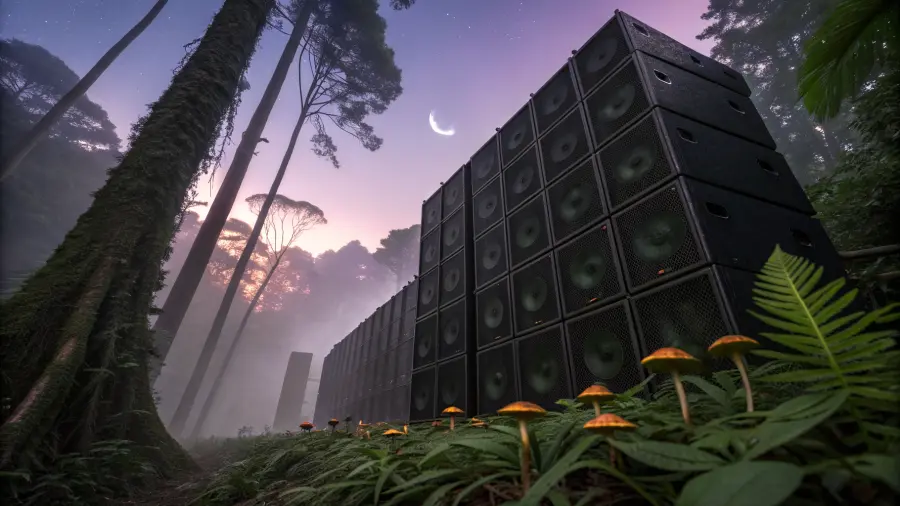 Riddim in Costa RicaRiddim is dubstep stripped to the bone: triplets, one bass sound, no filler. What it is, how to spot it, and where it sits in Costa Rica near Jacó.